eSense Is Betting That Sexual Health Is Just Health
tl;dr
eSense Health, led by Dr. Lori Brotto, delivers evidence-based treatment for sexual health, a corner of the midlife women's health conversation that's still barely spoken about.
Provider enthusiasm has been nearly unanimous. Turning that enthusiasm into paying users is the harder, still-unsolved part.
One investor's blunt pushback, that AI could probably do the same thing, ended up sharpening exactly how eSense talks about itself.
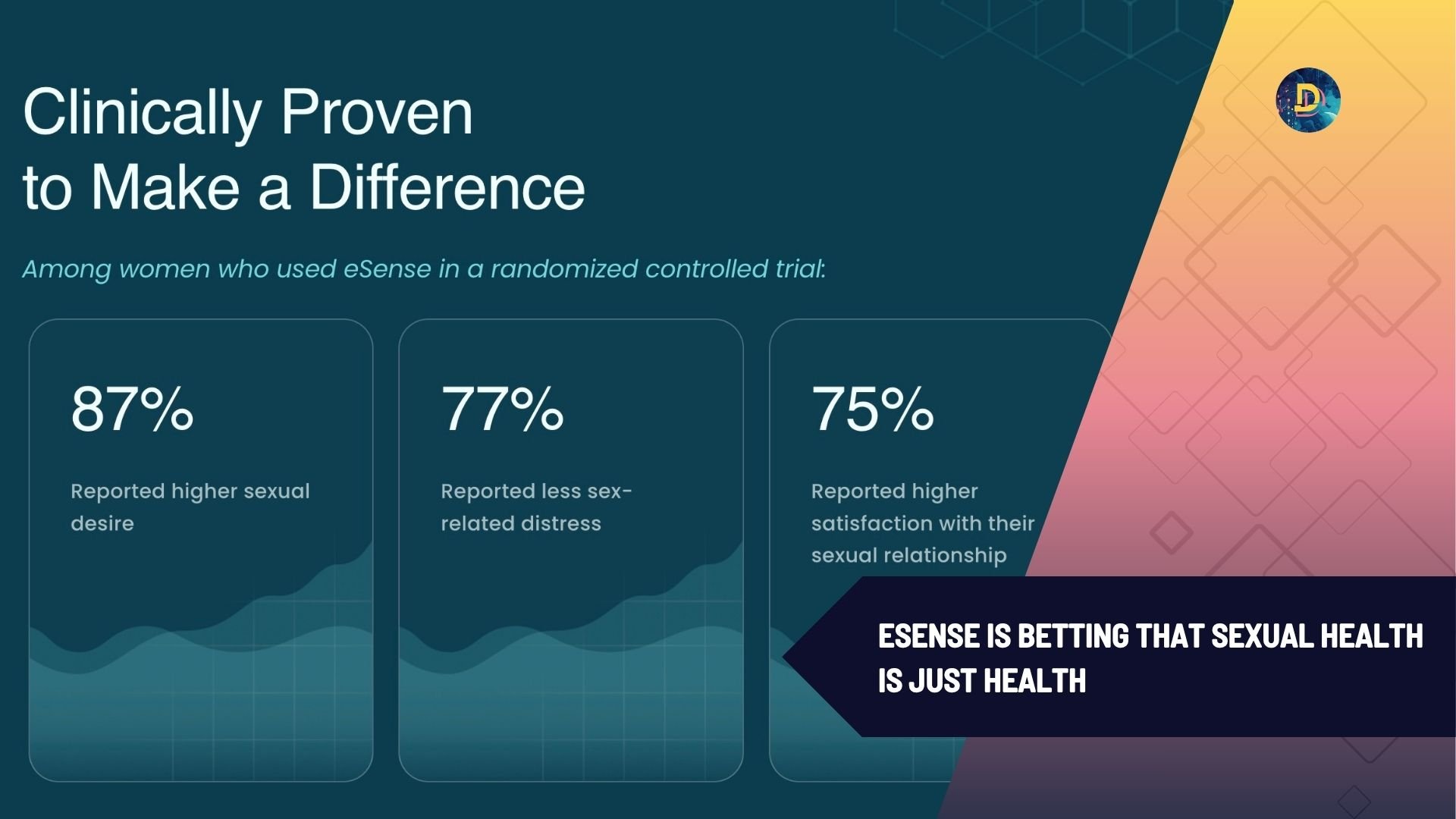
There's a particular kind of momentum happening around midlife women's health right now: menopause is finally a mainstream conversation, and women are increasingly unwilling to just live with what used to be dismissed as inevitable. Lori Brotto noticed that almost none of that conversation touches sexual health specifically, even though it's one of the areas research shows responds well to treatment. eSense exists to fill exactly that gap, delivering evidence-based care to a topic most of the industry still can't say out loud with a straight face.
The Gap Between Interest and Action
The honest, unglamorous truth of where eSense is right now: clinics love the idea. Nearly every one Lori and her team meet with says they'll tell their patients about eSense. Then the referral numbers come in, and they're underwhelming. It's not a lack of belief, it's a lack of bandwidth, which is why the company recently brought on a marketing manager whose full-time job is chasing that follow-through clinics don't have time for themselves. The gap between "we love this" and "we told our patients" is, for now, the company's biggest open problem.
Real Traction, Real Unknowns
On the provider side, the response has been close to unanimous enthusiasm, including from OBGYNs who are otherwise strictly hormone-and-medication focused and skeptical of anything psychological. eSense has secured a relationship with Alloy, a major midlife women's health company now onboarding practitioners to discuss eSense during telehealth visits, with a similar conversation underway with Midi. On the user side, eSense has reached 75 paid users so far, with feedback running 80 to 85 percent positive. The recurring theme in that feedback isn't excitement, it's relief: women saying they wish they'd known about this sooner, or that they didn't realize psychological treatment could actually help. Whether provider goodwill converts into paying users at scale is still the open question, and Lori is candid that customer conversion isn't her area of expertise. It's the reason bringing in outside help on that front has become a priority.
The Feedback That Changed the Pitch
Early conversations with a prospective angel investor got hard fast. He pushed back that AI chatbots could probably already do what eSense does. Lori disagreed immediately, and the exchange stuck with her, not as a rejection to brush off, but as a signal about how eSense needs to talk about itself going forward. The company delivers actual clinical treatment, not general tips a person could get from any AI chat window, and Lori now treats that distinction as something the messaging has to make unmistakably clear to skeptics who assume they already have a free substitute.
Naming the Discomfort, Then Moving Past It
Sexual health is not an easy subject to bring up, let alone build a company around, and eSense's approach is to name that discomfort directly before reframing it: sexual health is health, full stop. Lori ties that framing to a broader pattern she's spent her career studying, women's health research sitting roughly two decades behind men's, with women spending meaningfully more of their lives in poor health as a result. It's a case she makes without leaning on jargon, because the point holds up plainly: this has been understudied for too long, and now is the moment to catch up.
Why We're Watching
Lori Brotto didn't take the traditional founder route, and she's open about the imposter syndrome that came with the switch from lab to startup. But she's also arrived at something a lot of scientist-founders take years to learn: publishing the research was never going to be enough on its own to reach the women who need it. eSense is her attempt to close that last mile herself, and the early provider response suggests she's not the only one who thinks it's overdue.